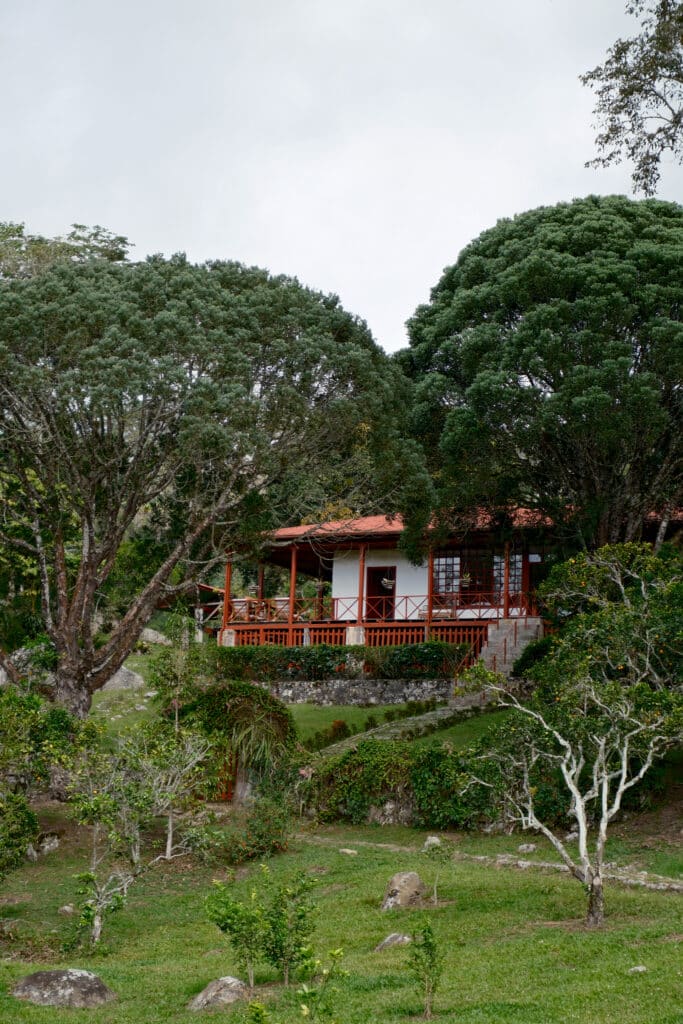


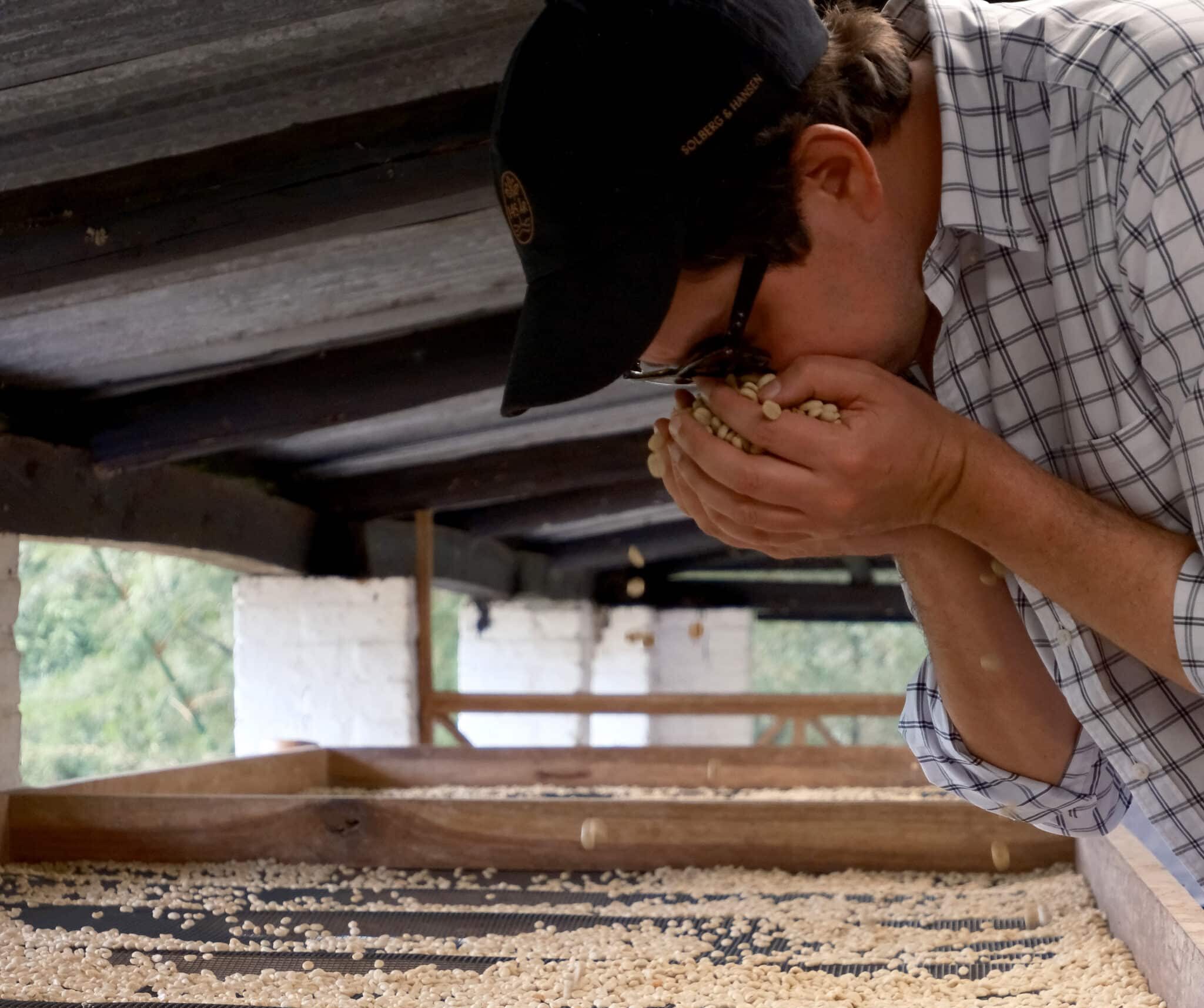
Ever since the farm was established in 1894, La Trinidad has been run by the same family for five generations. Today, it combines its rich history with modern coffee cultivation and unique coffee experiences for visitors.
An important part of Colombia's coffee history
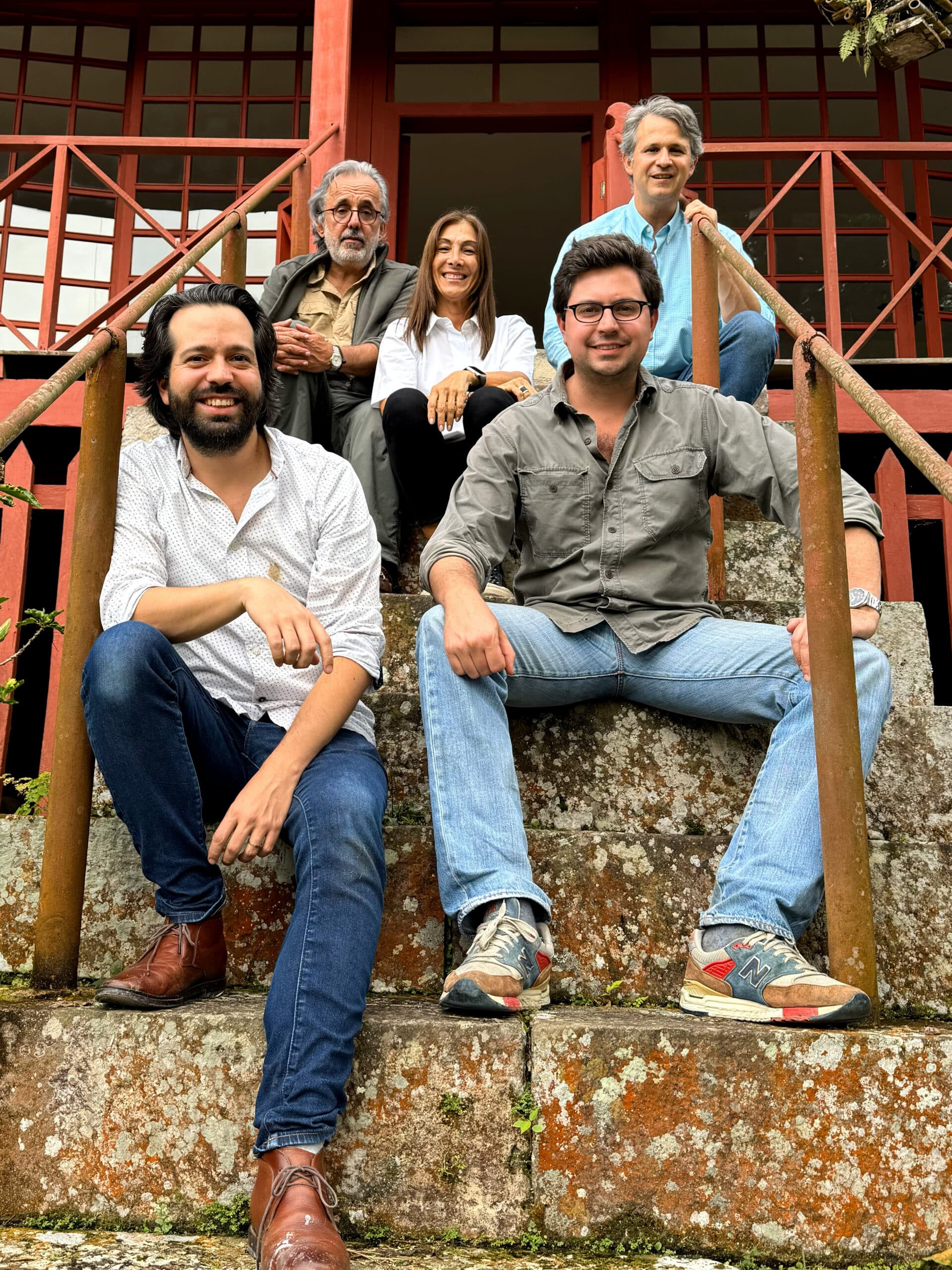
La Trinidad was founded by three partners, which explains the name La Trinidad («the Trinity» in Spanish).
In the early 1900s, the farm was one of the first to invest heavily in coffee cultivation in the region, exporting coffee to countries such as Germany, the Netherlands, England and the USA. By 1927, La Trinidad had over 350,000 coffee trees, and that same year the Colombian Coffee Federation was founded to support the country's coffee industry.
Over the course of the 20th century, the farm experienced both prosperity and challenges with economic downturns and the influence of conflicts in Colombia. In the 1990s, parts of the farm were taken over by cattle farming, as the family no longer saw a future for coffee production. This was just before the great coffee shop and speciality coffee wave hit the western world. Almost all coffee plants were removed in favour of pastures for cows. Until a new and younger generation saw new opportunities for the farm in 2015.
Rebuilt with splendour
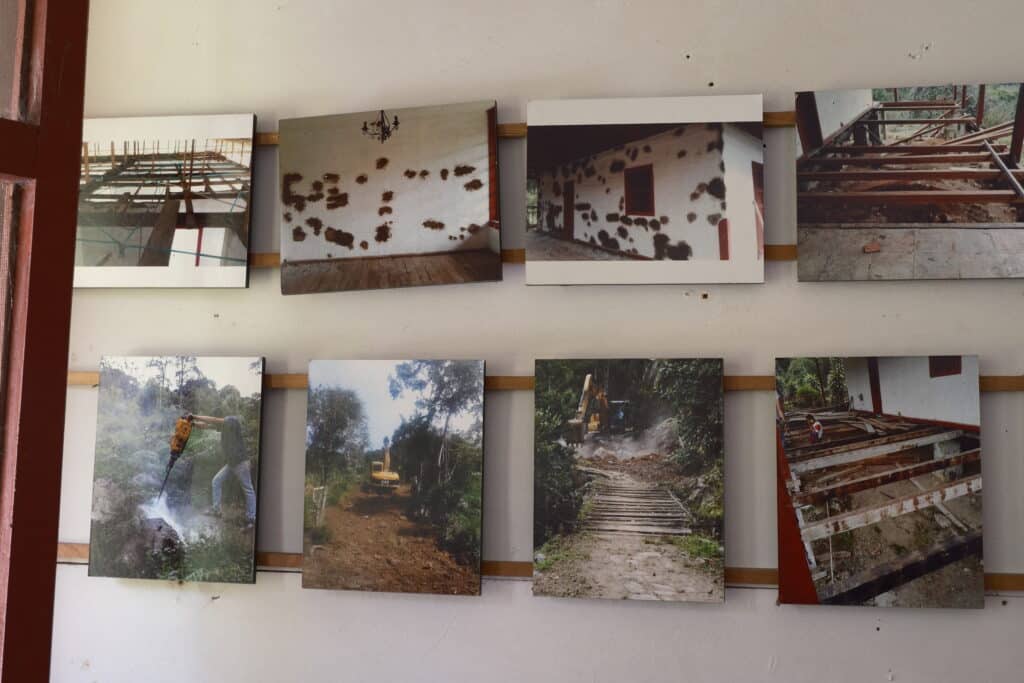
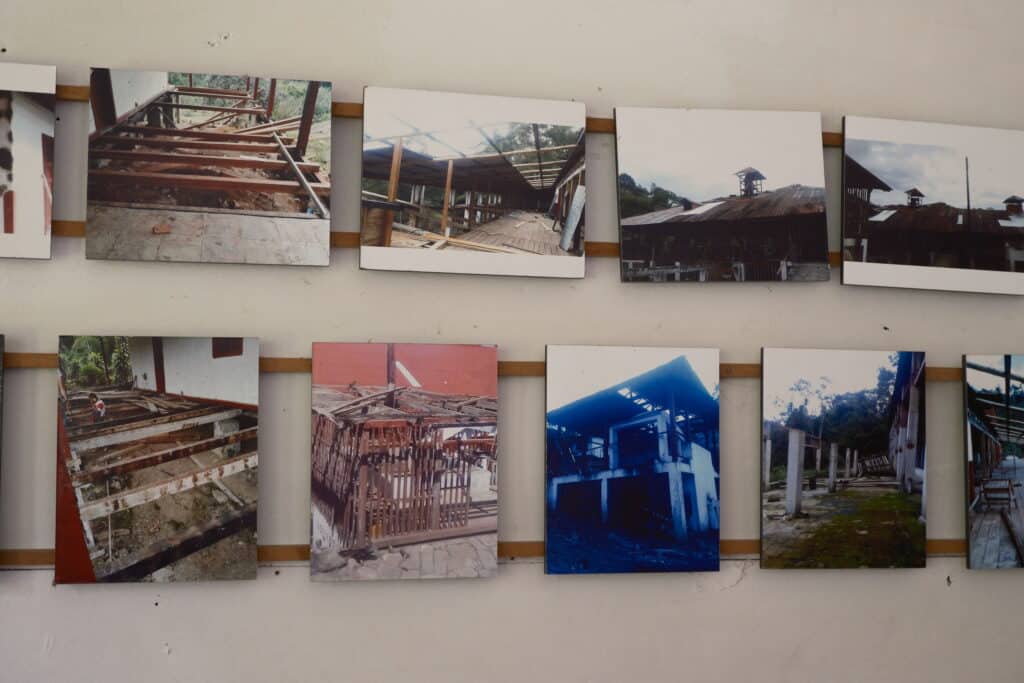
When Alejandro Lloreda took over the farm as the fifth generation, he saw the potential in the farm's long coffee history. By then, the coffee farm had fallen into disrepair for more than 20 years, and a big job had to be done to rebuild it.
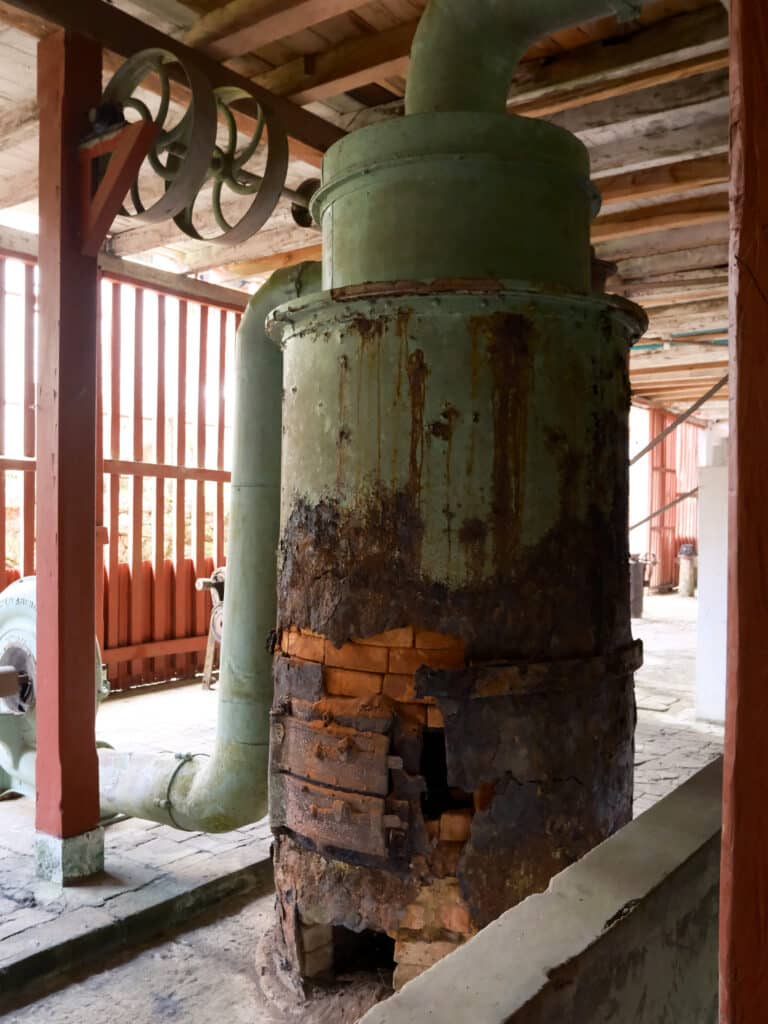
- The planks had rotted, the wet mills had rusted and almost everything had to be rebuilt. It was a huge job," says Alejandro when Solberg & Hansen visit in August 2025, as he shows us around the farm.
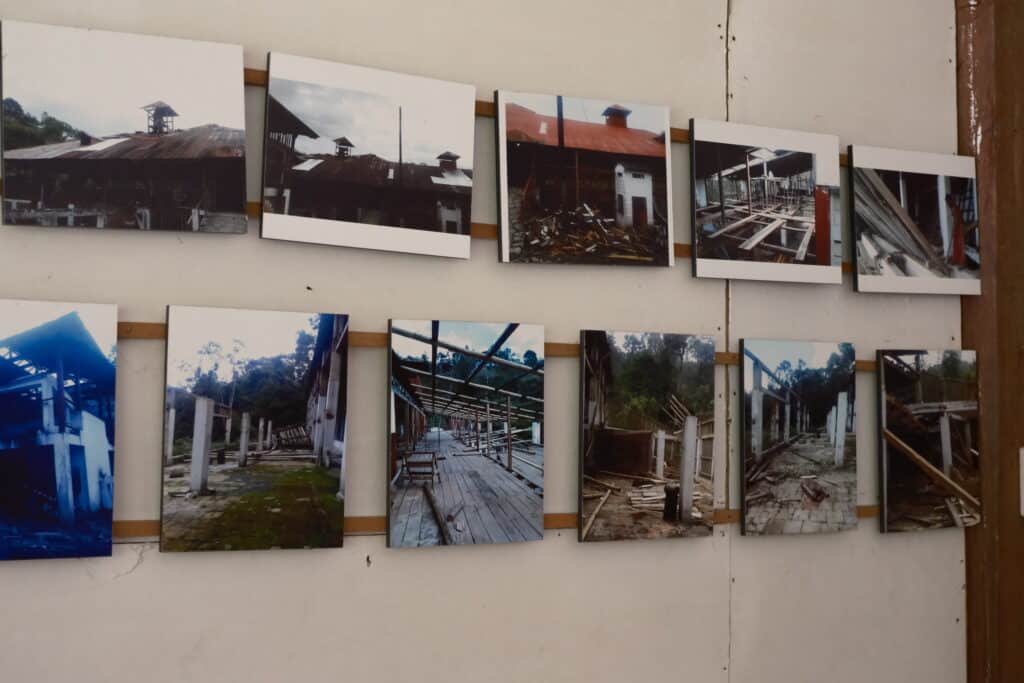
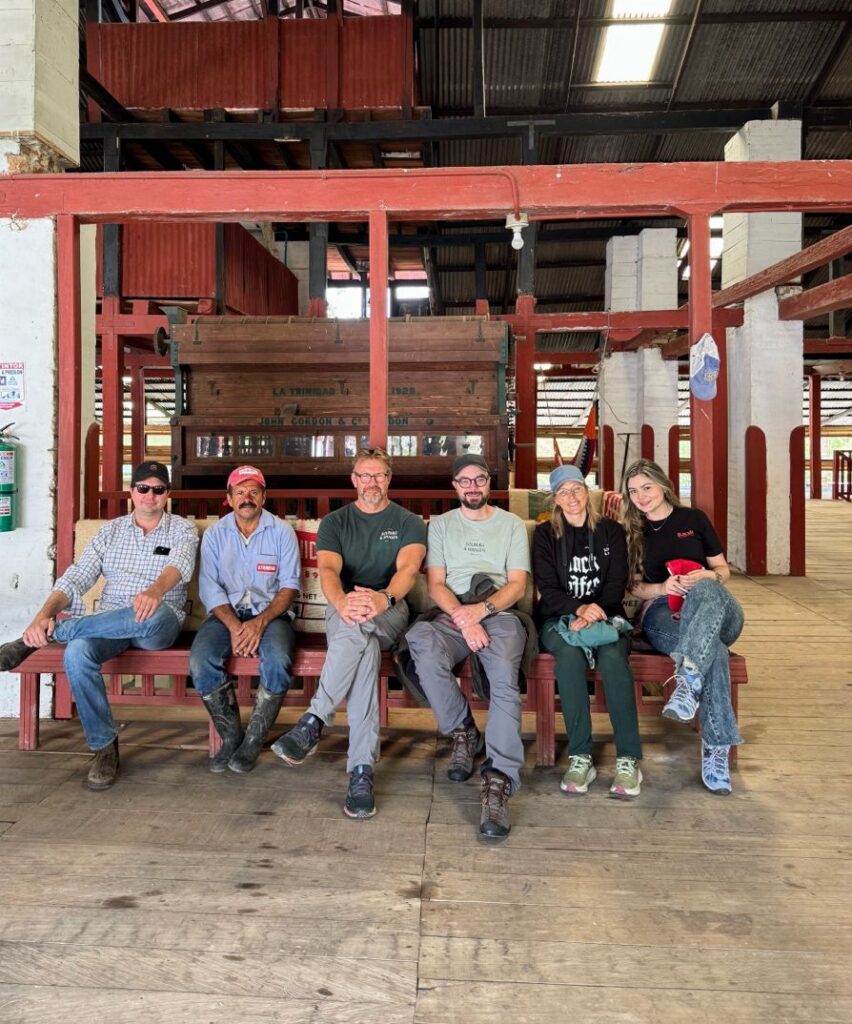
It's a big farm, with clear traces of its heyday in the 1900s. With 350,000 coffee trees in the 1920s, the farm has had enormous production in the past, but this was before the era of speciality coffee. Now the coffee is processed in a more detailed and gentle way, but they combine both old and new processes in coffee production. Historic machinery from the 1920s is used together with modern EcoMill equipment, and the coffee beans are gently dried in the sun on bamboo drying beds. This provides the basis for coffee with both traditional character and modern, high quality.
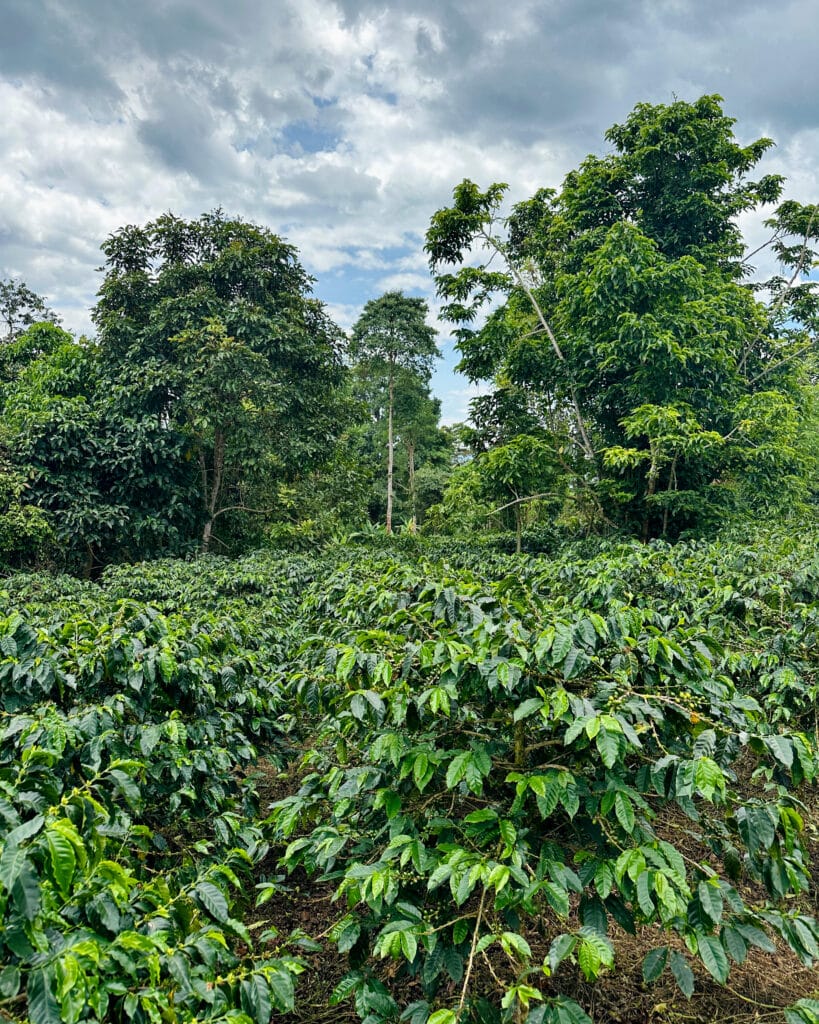
Originally, the farm's coffee plantations were dominated by classic bean varieties such as typica and bourbon. Today, more resilient and higher quality varieties such as colombia, castillo and cenicafe-1 are grown, while the farm is experimenting with more heirloom varieties such as geisha, pacamara and moka.
Authentic coffee experience
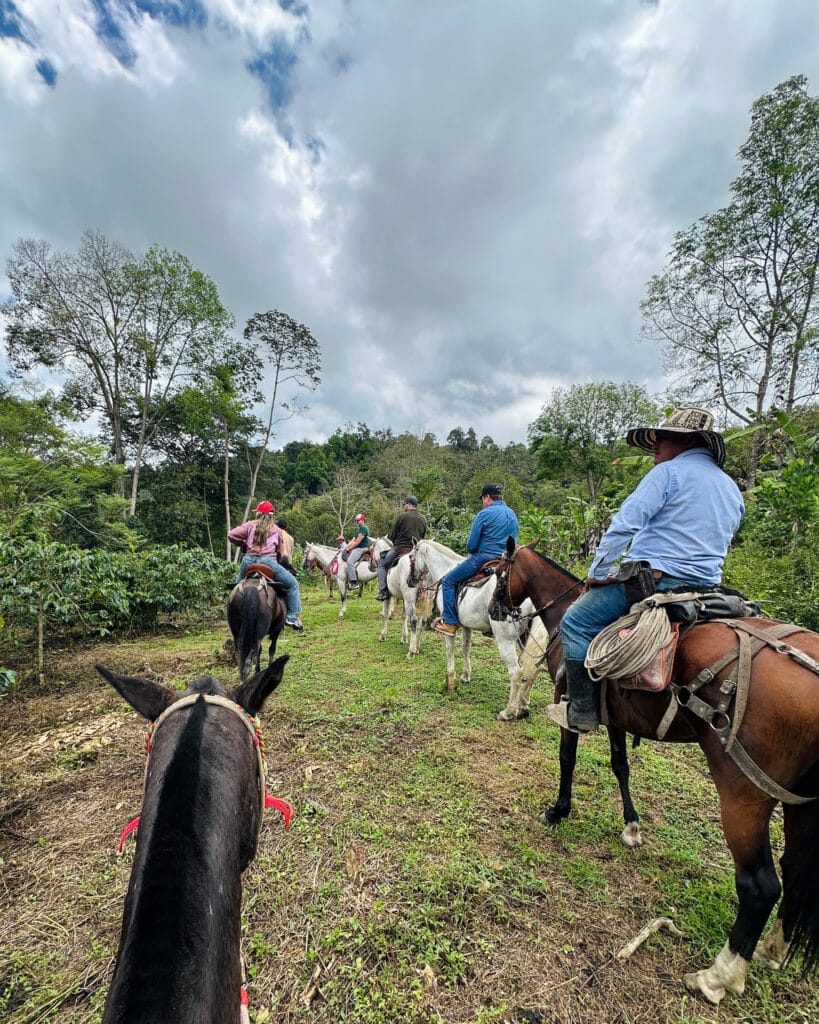
When the reconstruction was completed and the farm was restored to its former glory in 2018, they opened their doors to visitors who want an authentic coffee experience. La Trinidad offers day trips, visits to the coffee factory, the opportunity to pick coffee berries in season, horse riding, walks in the area, and traditional Colombian food. Visitors can also stay at the farm and experience the coffee culture up close.
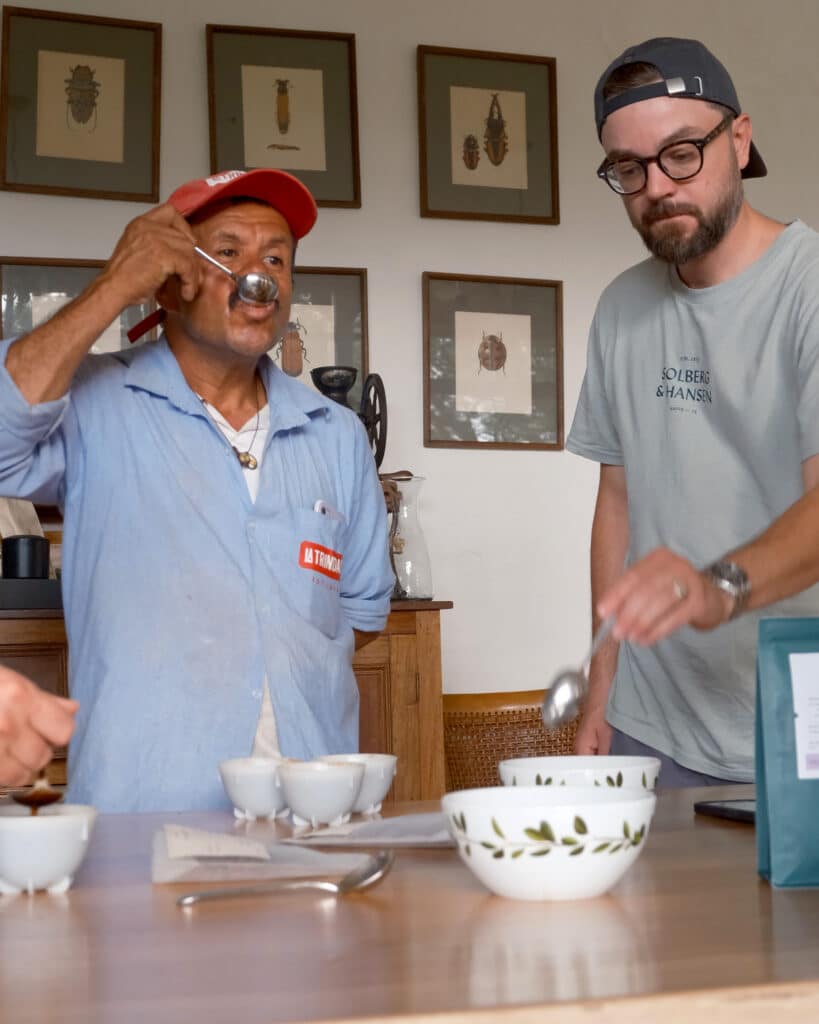
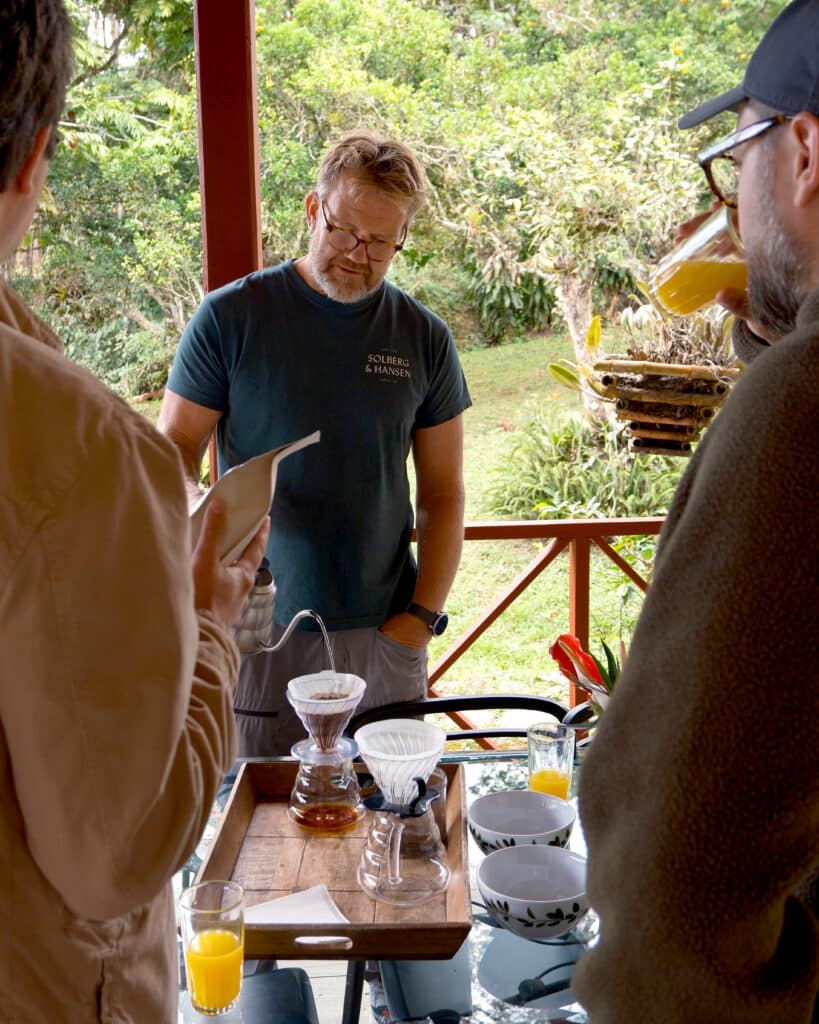
A short distance from the capital Bogota, this has become a popular destination for both national and international tourists. In August 2025, a team from Solberg & Hansen, led by buyer Alexander Scheen Jensen, was lucky enough to experience just that. With everything from horse riding through the geisha plantations, to the farm's food traditions and a walk through the farm's more than 130-year history.